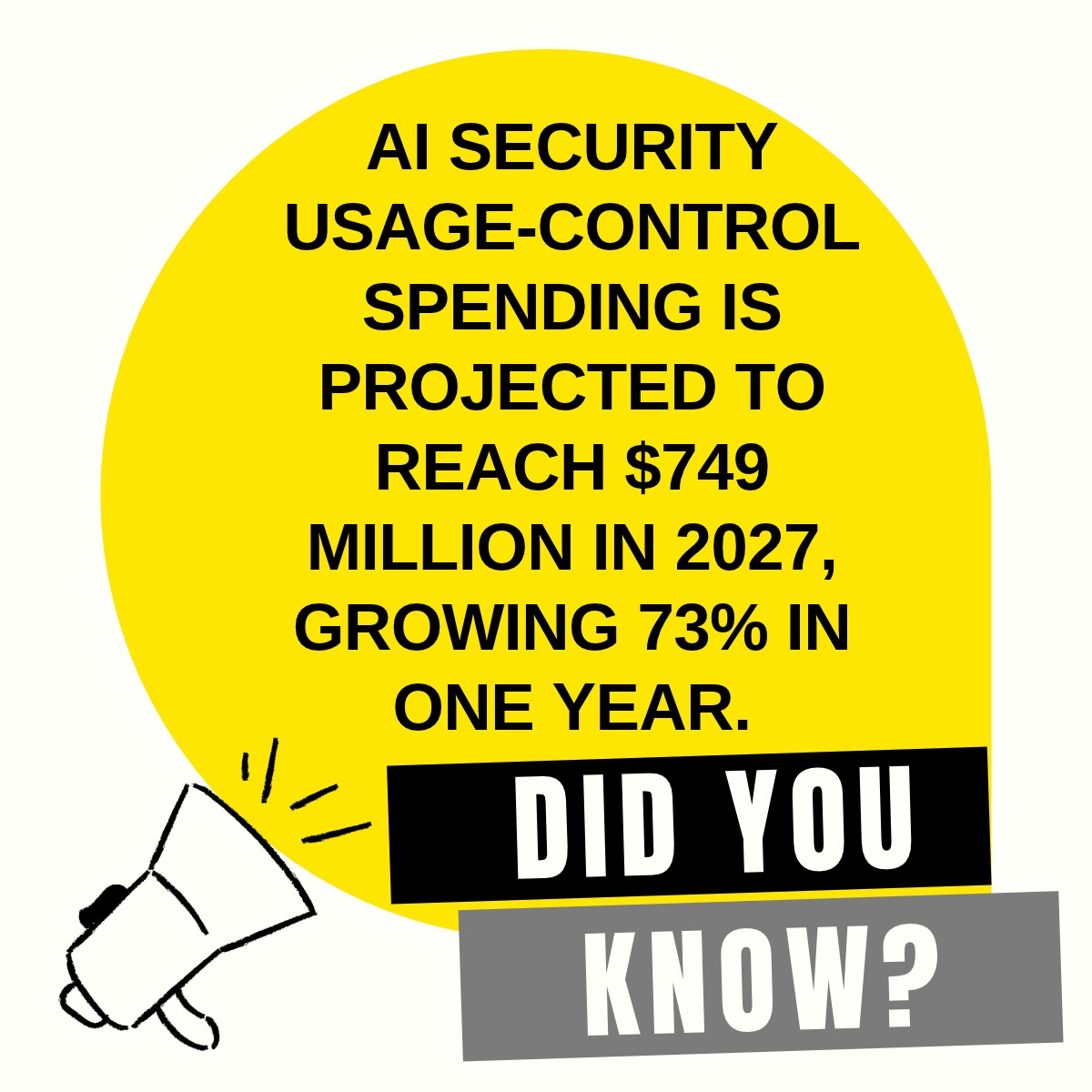
AI is growing, and so is the need to keep it secure.
As AI adoption increases, organizations are investing more in controlling and securing AI usage.

Red Teaming: A Beginner's Roadmap

Hackersprey Online Cybersecurity Programs — Enroll Now Get trained with hands-on virtual labs, work apparent on real-world hacking challenges, and earn a globally recognized cybersecurity certification that adds real value to your resume. Practical ...

By 2026, the biggest cyber risks won’t be just malware — they’ll come from misconfigured cloud environments, exposed and insecure APIs, and systems that are trusted too easily. Attackers are shifting from exploiting software bugs to exploiting human ...

Assume AI-powered attacks are default — secure prompts, models & APIs Zero Trust isn’t optional anymore — verify everything Secure APIs first (most breaches start there) Monitor supply-chain & third-party risks continuously Practice real-world la...

Attackers use large language models to create smarter phishing & social engineering attacks, while defenders race to strengthen AI safety, anomaly detection & model governance. Artificial-intelligence technologies represent a double-edged sword in th...

Pirated apps may look free, but in reality, they come with a hidden price — your privacy and security. Hackers often hide malware, spyware, and trojans inside cracked software, turning these apps into digital Trojan horses. Once installed, they can s...